

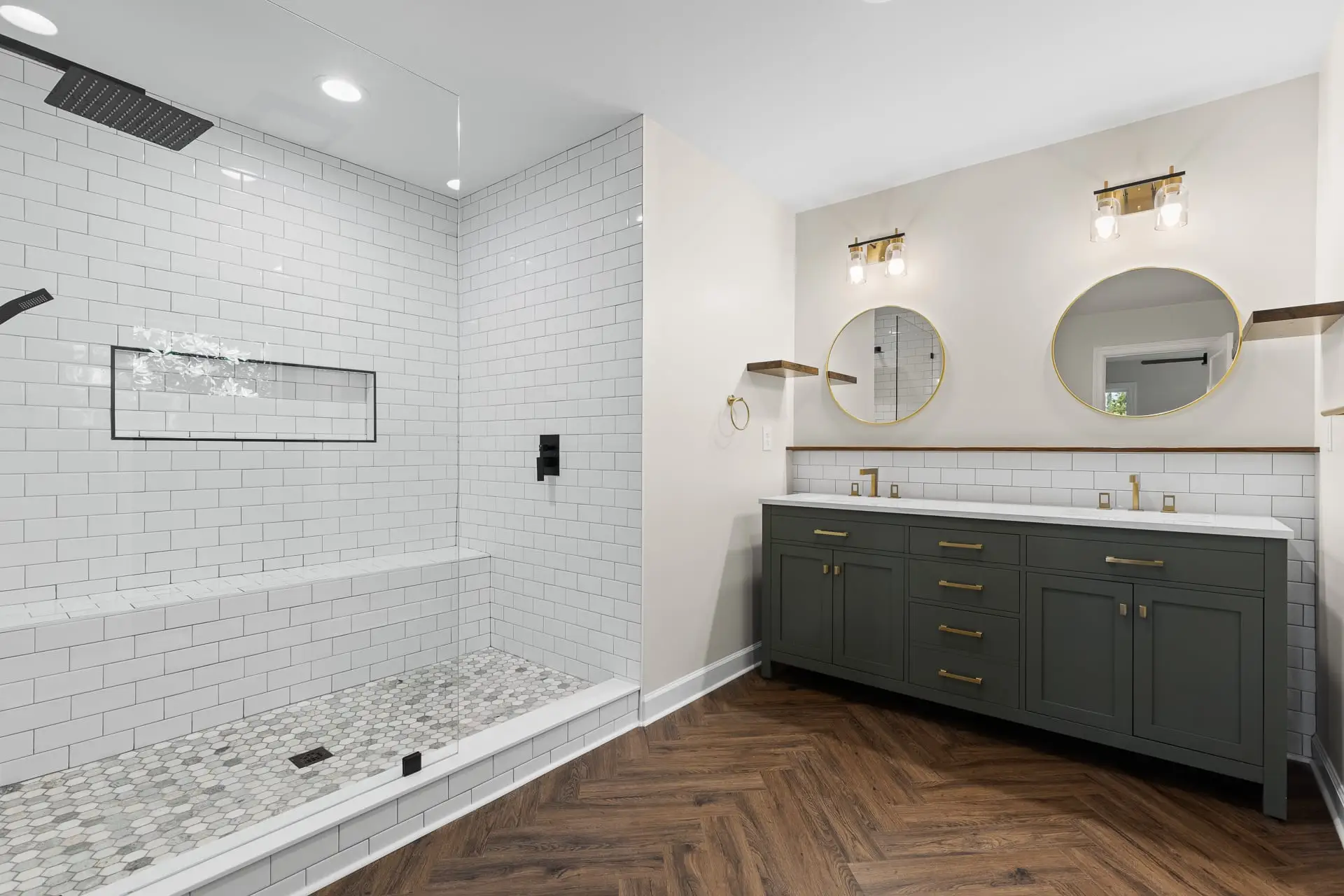
If you are planning a home addition, you have probably asked the most practical question: how long will it take? Not the best case. The real one. Timing affects everything: financing, living arrangements, school schedules, even holidays.
Every project is different, but the phases are consistent. Here is what to expect.
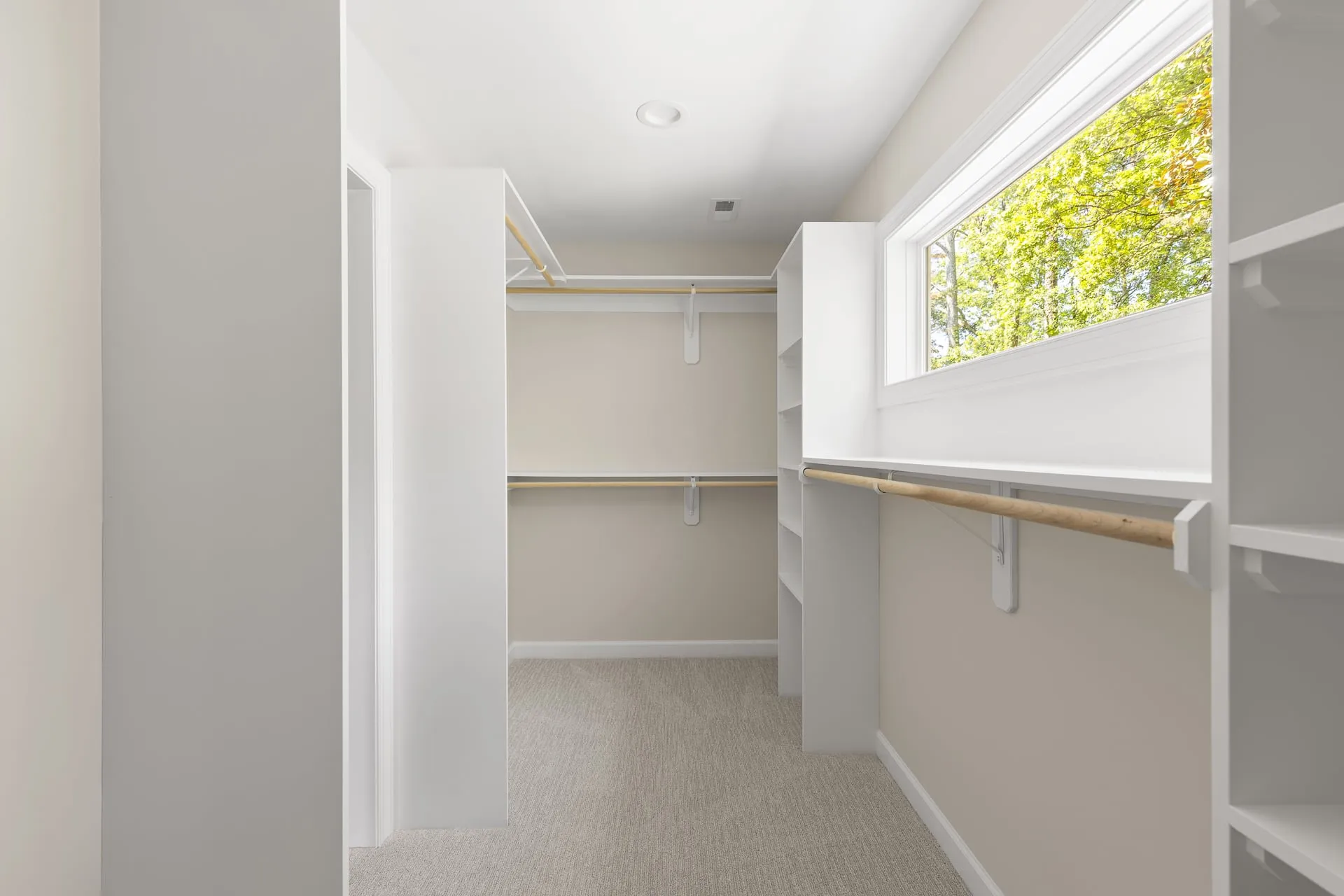
A walk-in closet in a primary suite addition in Fuquay-Varina. See the project.
The big picture
Every project is different, and size makes a big difference. An addition often takes 12 months or more from the start of Design to move-in.
After the first conversation, it moves through three phases: Design, pre-construction, and construction. Your timeline is set in writing during Design, before you commit to construction.
Second stories and complex structural projects can run longer. The biggest mistake homeowners make is counting only the construction phase.
Phase 1: Dream
Before drawings begin, there is a short evaluation: a free discovery call about your goals, timeline, and budget, an in-person consultation where we walk your home, and a proposal review with your plan, timeline, and pricing. It moves quickly, but it sets up everything that follows. You get a clear plan and price range before you sign anything.
Phase 2: Design
This is where most of the timeline lives, and it is worth the patience. Design includes:
- Floor plans and 3D renderings
- Structural engineering
- Mechanical planning
- Every finish selection
Good design prevents mid-project change orders. At the end of Design, you get a construction-ready plan and a fixed construction price.
Phase 3: Permits and pre-construction
After your design is approved, plans go in for permits. In Raleigh and the surrounding towns, that usually means building, electrical, plumbing, and mechanical permits. Review times depend on the city’s workload and your project, and requested revisions can add time. Inspections happen throughout construction, not just at the end.
While permits are in review, we order materials, schedule the trades, plan site protection, and lock in the full construction schedule. This stage feels invisible to homeowners, but it prevents delays once construction starts.
Phase 4: Construction
Construction length depends on the project. Second stories tend toward the longer end, because of structural tie-ins and the new staircase.
What happens during construction:
- Demolition, if needed
- Foundation and waterproofing
- Framing
- Windows and doors
- Roofing
- Mechanical rough-ins
- Inspections
- Insulation and drywall
- Interior finishes
- Exterior finishes
- Final inspections
Weather can affect exterior work, and lead times can affect items like cabinets and windows. That is normal, and it is planned for.
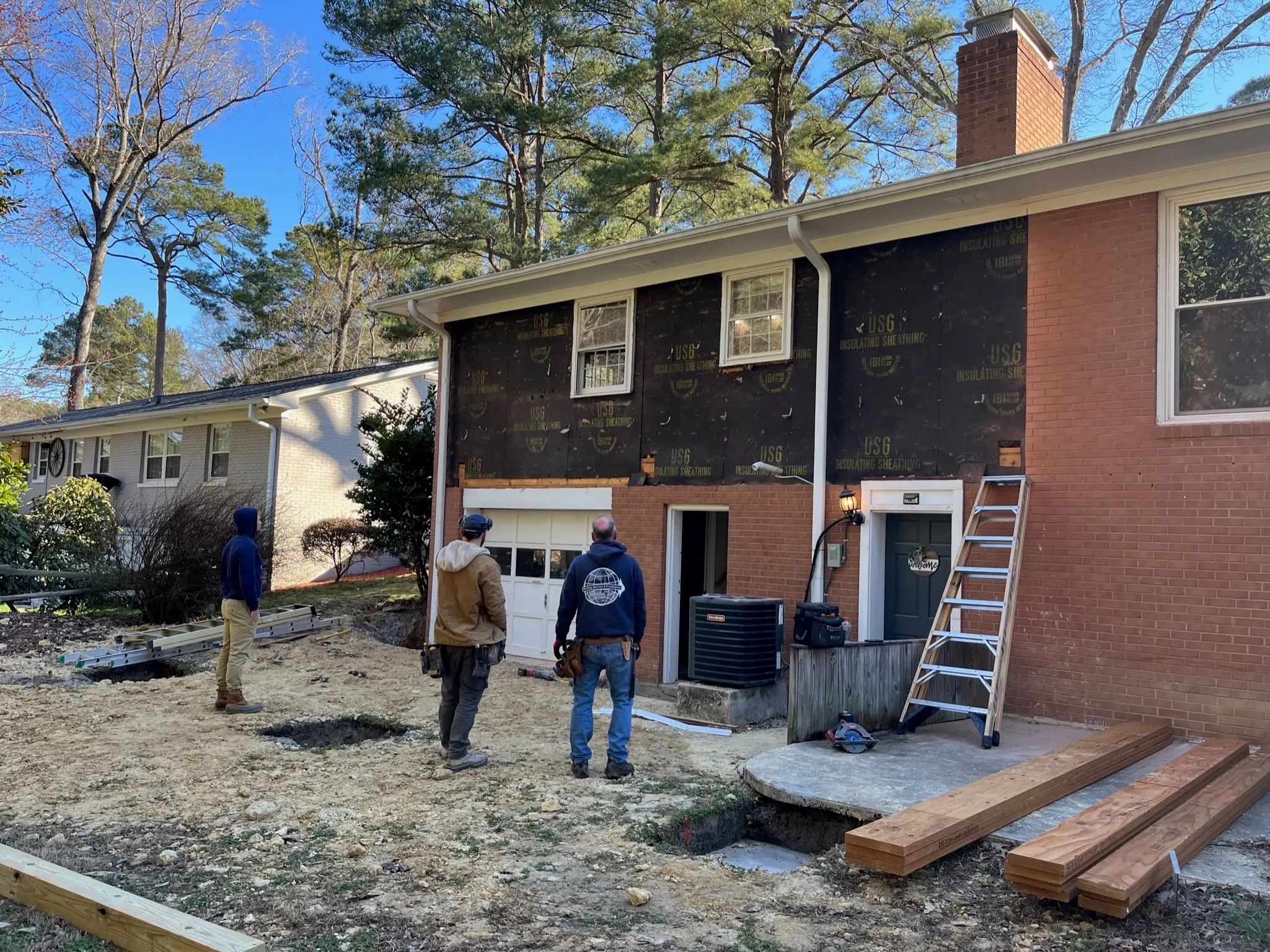
Excavation and layout at the start of construction.
You always know where things stand
Your schedule and progress are updated every week in your client portal, from permits and deliveries to inspections and milestones. Instead of waiting for updates, you can see what is done and what comes next.
What slows projects down
- Design changes mid-project
- Material backorders
- Inspection rescheduling
- Structural surprises in older homes
- Weather during foundation work
Most of these are avoidable with thorough planning.
Can you live at home during construction?
Often, yes. For first-floor additions, many families stay with dust barriers, protected floors, and separate work zones. For second stories, some families move out during roof removal and framing. Talk about it early, because it affects your planning.
Financing timing matters
If you are using a home equity line of credit, a home equity loan, or a construction loan, line up approval before construction begins. Funding delays can push your start date. See financing options.
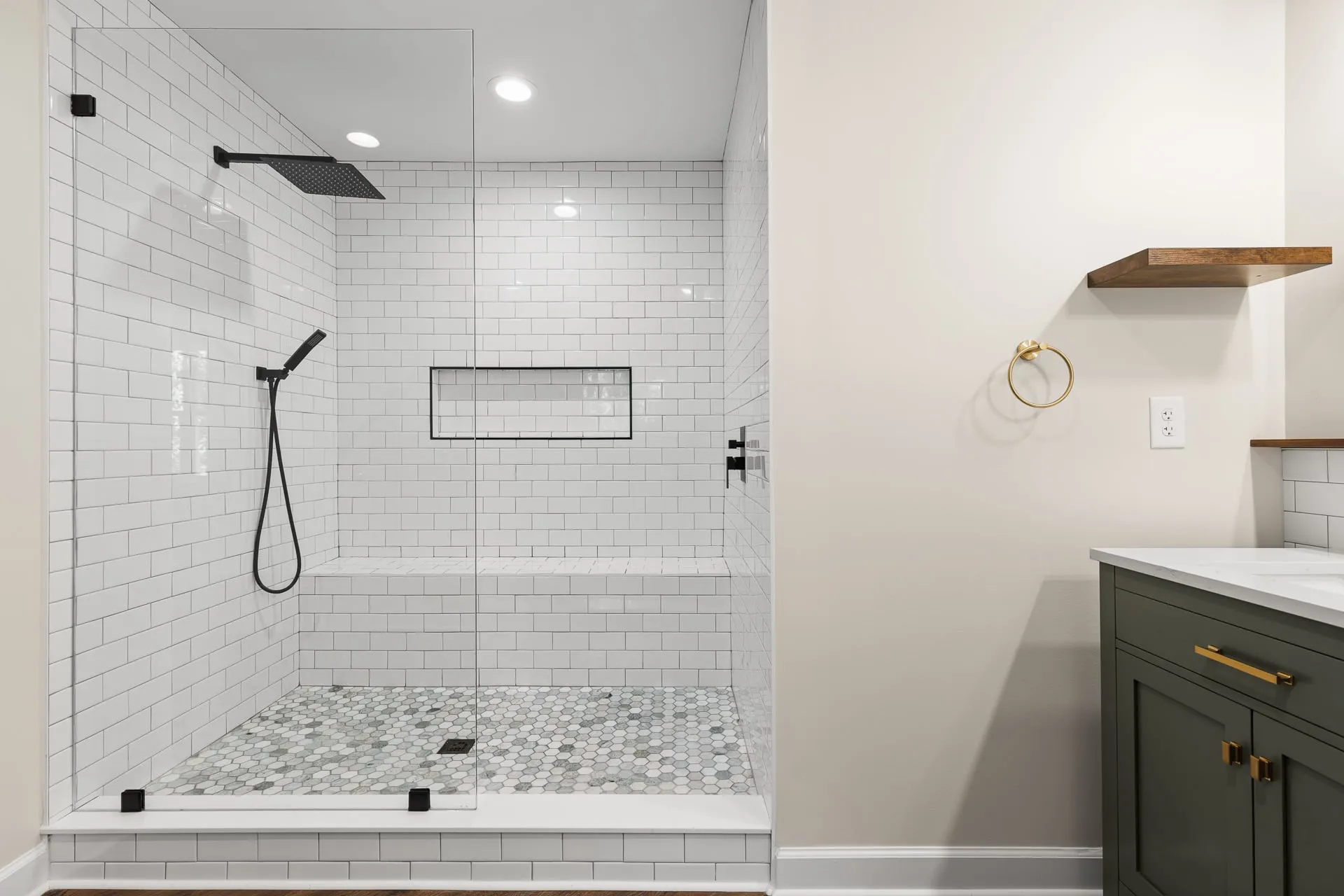
The finished primary bathroom in the Fuquay-Varina addition.
Why design-build moves faster
When one team handles design, permits, and construction, nothing gets lost in a handoff between an architect and a builder. That keeps projects moving with fewer delays. See our process.
The honest answer
Expanding a home takes time because it is complex. You are not just adding walls. You are tying into structure, systems, and decades of existing construction. Done right, it takes planning. Rushed, it takes longer. Planning each phase fully is the patience that protects your investment.